
When it comes to fence installation, one of the first and most important decisions you will face is choosing the right material. Two of the most popular options for residential and commercial properties are chain link and wood fencing. Each comes with its own set of advantages, drawbacks, and ideal use cases.
Understanding the differences between the two can help you make a confident, informed decision that suits your budget, your lifestyle, and the look you want to achieve.
The Case for Chain Link Fencing
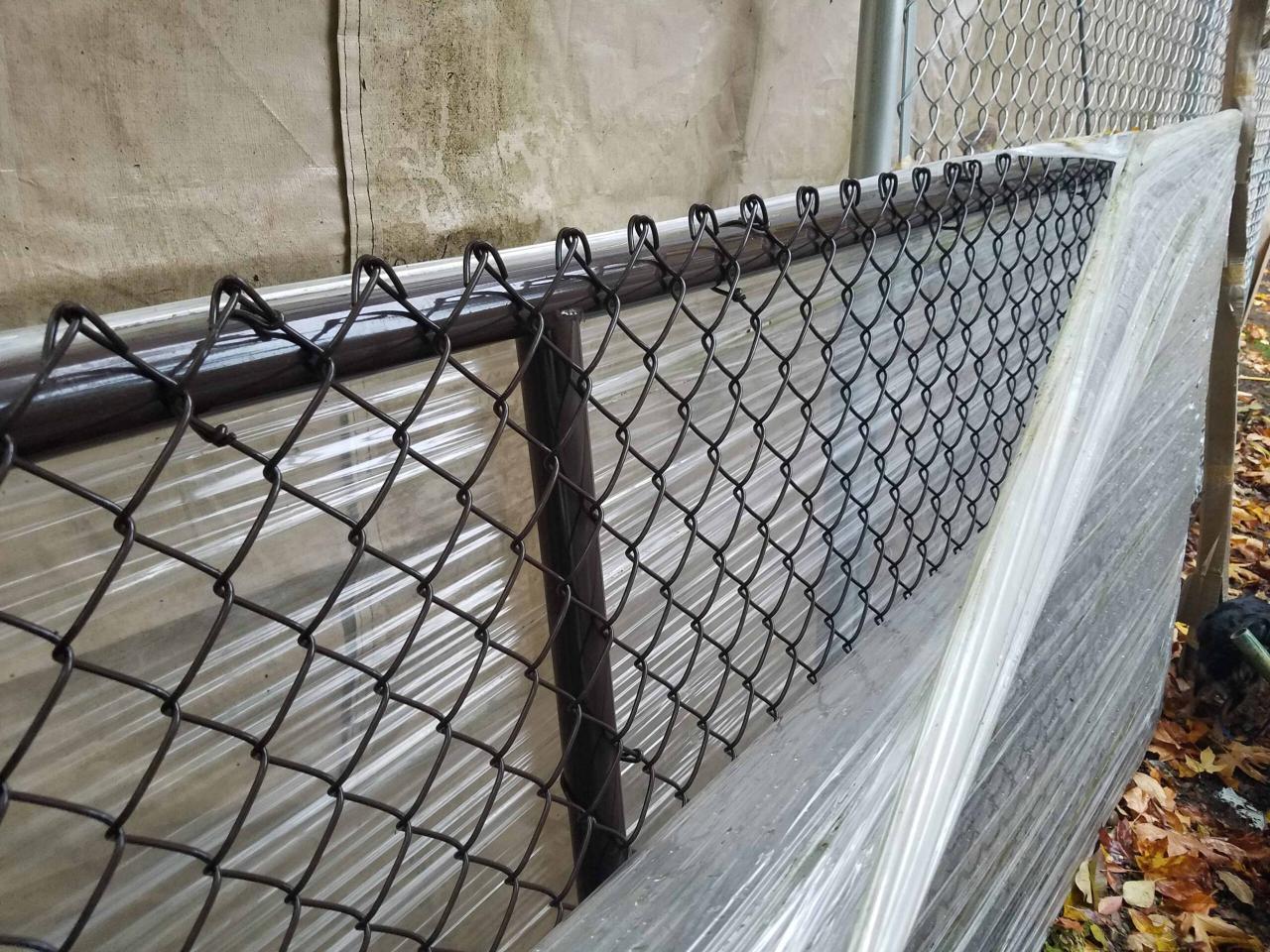
Chain link fencing has been a go-to choice for homeowners and property managers for decades, and for good reason. It is one of the most affordable fencing materials on the market, making it an attractive option for those working with a tight budget or needing to enclose a large area without overspending. The cost of fence installation with chain link is generally lower than wood, both in terms of materials and labor, since the process is faster and requires fewer specialized tools.
Beyond affordability, chain link is known for its durability. Galvanized steel chain link can withstand harsh weather conditions, including heavy rain, strong winds, and intense heat. Unlike wood, it does not rot, warp, or crack over time. With minimal maintenance, a well-installed chain link fence can last 20 years or more. If you live in an area with extreme weather or high humidity, chain link holds up exceptionally well without requiring regular sealing or staining.
Another advantage is visibility. Chain link fences do not block sightlines, which makes them a practical choice for keeping pets or children safely in the yard while still being able to see what is happening on the other side. This open design also makes chain link a popular option for sports courts, school yards, and commercial properties where security matters but a full visual barrier is not necessary.
Chain link does have its limitations, though. It offers very little in the way of privacy, and many homeowners find it aesthetically plain. While you can add privacy slats or vinyl coating to improve its appearance, it rarely matches the warmth and charm of a wood fence. If curb appeal and visual character are high on your priority list, chain link may fall short of your expectations.
The Case for Wood Fencing
Wood fencing has a timeless appeal that few other materials can match. It brings a natural, classic look to any property and can be customized in a wide variety of styles, from picket and split rail to board-on-board and privacy panel designs. For homeowners who want their fence to complement the architecture of their home and enhance their landscaping, wood is often the top choice.
Privacy is one of the strongest selling points of wood fencing. A properly installed solid wood fence can fully block the view from neighboring properties and the street, creating a secluded outdoor space where you can relax, entertain, or let your children play without feeling exposed. This level of privacy is nearly impossible to achieve with standard chain link, even when privacy slats are added.
Wood is also a flexible material in terms of design. You can paint it any color, stain it to match your home’s exterior, or leave it natural to weather into a rustic gray over time. Custom heights and shapes are easy to achieve with wood, which gives you more control over the final look of your fence installation project.
However, wood fencing does require more maintenance than chain link. It is susceptible to rot, insect damage, and warping if not properly treated and maintained. Depending on the climate in your region, you may need to reseal, repaint, or replace individual boards every few years. In areas with high moisture or extreme temperature swings, the upkeep can become a significant ongoing commitment.
The upfront cost of wood fencing is also higher than chain link in most cases, particularly for high-quality lumber like cedar or redwood. While the investment can pay off in terms of curb appeal and property value, it is worth factoring in both the initial expense and the long-term maintenance costs before making your decision.
Comparing Cost and Longevity
When evaluating the overall value of chain link vs. wood fencing, it is important to think beyond the initial price tag and consider the full lifecycle cost of each option. Chain link wins on upfront affordability and long-term durability with minimal upkeep. Wood requires a higher initial investment and ongoing maintenance, but can add more visual value to your property.
For a typical fence installation covering 150 to 200 linear feet, chain link will usually cost less per linear foot than a standard wood privacy fence. However, premium wood options like cedar naturally resist rot and insects, which can reduce the maintenance burden over time and close the gap in overall cost. Redwood and composite wood alternatives also offer improved durability, though at a higher price point.
In terms of lifespan, galvanized chain link can last 20 to 30 years with minimal care, while a well-maintained wood fence typically lasts 15 to 20 years. If you plan to stay in your home long-term and do not want to worry about frequent upkeep, chain link may offer better long-term value. If you expect to sell your home within the next decade and want to boost its visual appeal, a well-maintained wood fence can make a strong impression on potential buyers.
Which Option Is Right for Your Property?
The right fencing choice ultimately depends on your specific needs, priorities, and the nature of your property. If you need a cost-effective, low-maintenance solution for a large area, chain link is hard to beat. It is practical, durable, and widely available through most fence installation contractors.
On the other hand, if privacy, aesthetics, and curb appeal are at the top of your list, wood fencing is likely the better fit. It creates a warm, inviting boundary that can significantly enhance the look and feel of your outdoor space. For families with young children, a wood privacy fence also creates a more defined and sheltered play area.
It is also worth considering the specific rules of your neighborhood or homeowners association. Some communities have restrictions on fence height, style, or material, so checking those guidelines before beginning your fence installation project can save you time, money, and potential headaches down the road.
If you are still on the fence (pun intended), a hybrid approach is another option. Some homeowners use chain link fencing along the sides and rear of their property where visibility is less of a concern, and reserve wood fencing for the front yard where appearance matters most. This balanced approach can give you the best of both worlds without breaking your budget.
Conclusion
Both chain link and wood fencing offer real value depending on your situation. Chain link delivers affordability, durability, and low maintenance, making it ideal for large properties or utilitarian applications. Wood offers beauty, privacy, and versatility, making it a strong choice for homeowners who want to enhance their property’s appearance. Regardless of which direction you choose, working with an experienced fence installation professional will help ensure your project is completed correctly, safely, and to code. Take the time to assess your priorities, compare quotes, and choose the material that will serve your property best for years to come.
Need Fencing Near You?
Let our family put over 31 years of experience to work for you, whether you need reliable residential fencing, durable commercial solutions, or expert guidance to bring your vision to life. We proudly serve Kitsap County, WA, offer military and senior discounts, and maintain an A+ rating with the BBB because we truly care about delivering quality you can trust. Contact us now to schedule your free estimate and consultation; we’re here to build the fence you need with the service you deserve!