
Installing a residential fence is one of the most impactful ways to enhance a property’s privacy, security, and curb appeal. Whether you are keeping pets contained, defining property lines, or simply adding aesthetic value, a well-constructed fence serves multiple purposes. For homeowners who prefer a hands-on approach, understanding the process thoroughly can make the task more manageable and rewarding. This residential fence installation guide walks through each phase of the process in detail, offering insight into how to install a fence in backyard spaces while avoiding common pitfalls.
Planning and Preparation
The foundation of any successful residential fence installation lies in careful planning and preparation. Before even touching a post or panel, homeowners must understand local building codes, zoning laws, and homeowner association (HOA) guidelines. These rules often dictate fence height, material type, and setback distance from the property line. Failure to comply can lead to fines, forced removal, or disputes with neighbors.
Once regulations are understood, the next step involves surveying your property. Confirm property lines through official records or a professional surveyor if needed. This helps avoid boundary conflicts and ensures the fence is legally placed. After establishing boundaries, decide on the fence’s primary purpose. Is it for privacy, security, containment, or aesthetic appeal? The answer will influence design choices such as height, material, and style.
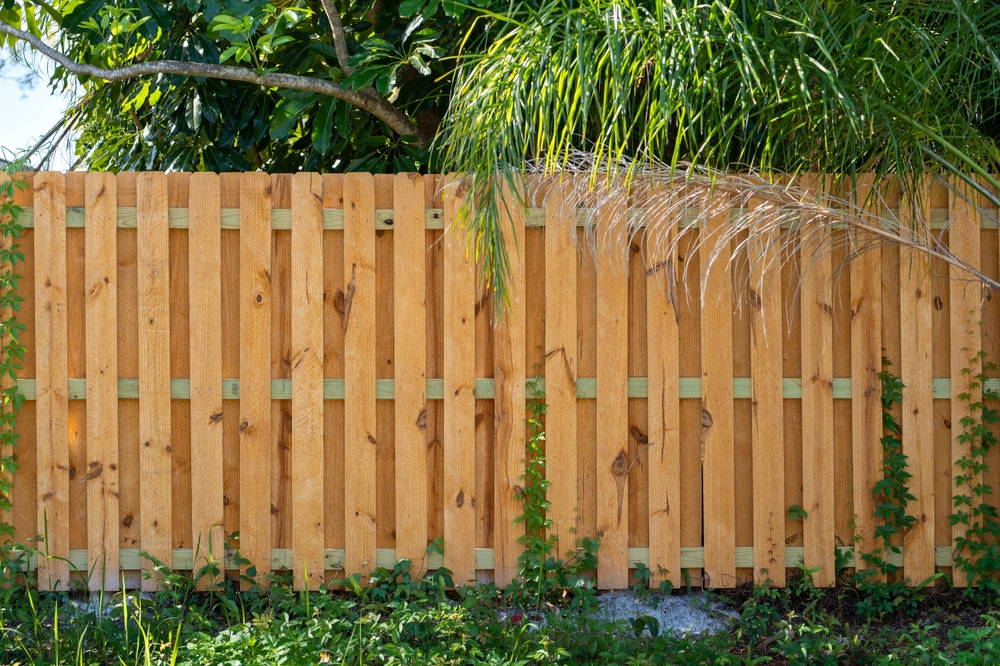
When selecting materials, weigh durability, cost, and maintenance. Wood offers a traditional look but may require more upkeep than vinyl or metal. Chain-link is budget-friendly and functional, though less attractive. Regardless of the material, calculate how much you will need based on total fence length, number of gates, and panel sizes. Creating a detailed plan with measurements and sketches helps visualize the final product and avoid surprises during installation.
Marking the Fence Line and Digging Post Holes
After planning comes the physical groundwork. Begin by marking the fence line using string and stakes, ensuring it aligns with your design and property boundaries. Use spray paint to indicate where each fence post will go. Posts are typically spaced 6 to 8 feet apart, depending on the material and local climate considerations.
The next task in this step by step fence installation for homeowners is digging the post holes. This can be done manually with a post hole digger or with a powered auger for tougher soil. Holes should generally be about one-third the height of the above-ground post, and at least 6 inches wider than the post diameter. In colder climates, holes should extend below the frost line to prevent heaving during freeze-thaw cycles.
At the bottom of each hole, pour several inches of gravel to assist with drainage. This prevents water from pooling around the post and accelerating rot or rust. It’s essential to keep the hole depth consistent and the spacing accurate to maintain a level and visually appealing fence line.
Setting Posts in Concrete
With holes dug and drainage gravel in place, the next phase involves securing the posts in concrete. This step is vital for ensuring the stability and longevity of your fence. Insert a post into the center of the hole and verify it is plumb (vertically straight) using a level. Once properly positioned, fill the hole with concrete mix while bracing the post to hold it steady.
You can use fast-setting concrete that hardens in 20 to 40 minutes, or traditional concrete which takes several hours. In either case, avoid attaching fence panels or rails until the concrete has fully cured, which usually takes 24 to 48 hours. During curing, check the alignment of each post frequently. Adjustments are much easier when the concrete is still pliable.
Posts should be consistently aligned both horizontally and vertically. Uneven posts can make attaching panels difficult and result in a crooked, unprofessional appearance. This part of the DIY residential fence installation tips is often where patience pays off the most. Taking the time to ensure solid, straight posts creates a strong framework for the rest of the fence.
Attaching Fence Panels or Rails
Once the posts are secure, the process moves on to attaching rails or panels, depending on the fence design. For panel fences, begin at one end and secure the first panel to the post using galvanized screws or brackets. Then continue attaching panels one by one, checking that each is level before moving on to the next. If using individual boards or slats, horizontal rails must be installed first, usually two or three per section, then boards are attached vertically.
It is important to leave small gaps between wood panels or boards to allow for expansion and contraction due to weather changes. For vinyl or composite materials, follow manufacturer instructions carefully, as the installation method may differ. Chain-link fences require stretching the mesh tightly between posts before fastening it securely with ties.
Throughout this stage, consistent spacing and alignment are critical. Even small errors can accumulate and affect the final appearance. Homeowners who follow a precise method will be rewarded with a neat and orderly result. When working on sloped ground, panels may need to be stepped or racked to maintain an even look. Both techniques are acceptable and depend on the specific topography and fence type.
Installing Gates and Final Touches
No residential fence installation guide would be complete without discussing gates. Gates are both functional and aesthetic elements that require special attention. Start by choosing a gate that matches the fence style and material. Ensure the opening is wide enough for its intended use, whether it’s pedestrian access or accommodating lawn equipment.
Install sturdy gate posts, often reinforced with additional concrete or deeper footings to support the extra weight and movement. Attach the gate using heavy-duty hinges and test its swing to confirm it opens and closes smoothly. Align the latch or lock mechanism so it secures properly without excessive force.
Once the gate is installed, walk the entire fence line for a final inspection. Check for loose screws, unlevel panels, or uneven posts. Make any necessary adjustments before considering the project complete. If the fence is made of wood, consider applying a sealant or paint to extend its life. For metal, inspect for scratches or exposed areas that may rust.
Cleaning up the worksite is the last step. Remove excess materials, tools, and debris. Touch up landscaping if necessary, especially if grass or plants were disturbed during digging. Document the completed installation with photos, particularly if required by your HOA or for property records.
Conclusion
Installing a fence around your property is a significant but achievable home improvement project. With the right preparation and knowledge, homeowners can confidently take on the task and enjoy the benefits for years to come. This residential fence installation guide provides a thorough framework for how to install a fence in backyard settings, from planning to final inspection. By following each phase of this step by step fence installation for homeowners, the process becomes manageable and even enjoyable. Homeowners who invest time and effort into careful execution will end up with a sturdy, attractive fence that enhances both function and curb appeal. Whether motivated by privacy, aesthetics, or safety, a well-built fence is a lasting investment in your home’s value and comfort.
Need Fencing Near You?
Let our family put over 31 years of experience to work for you, whether you need reliable residential fencing, durable commercial solutions, or expert guidance to bring your vision to life. We proudly serve Kitsap County, WA, offer military and senior discounts, and maintain an A+ rating with the BBB because we truly care about delivering quality you can trust. Contact us now to schedule your free estimate and consultation; we’re here to build the fence you need with the service you deserve!