
Choosing the best fence material for backyard privacy, security, and aesthetics is a significant decision for any homeowner. With so many materials available, understanding the pros, cons, and costs of each option can help you make an informed investment in your residential property. Whether you’re aiming to keep pets safe, enhance curb appeal, or secure your perimeter, the right fence can make a big difference. This guide compares wood, vinyl, and metal fencing, three of the most common choices, while offering a practical breakdown of what to expect in terms of price, durability, and maintenance.
Wood Fencing: Natural Beauty with Custom Appeal
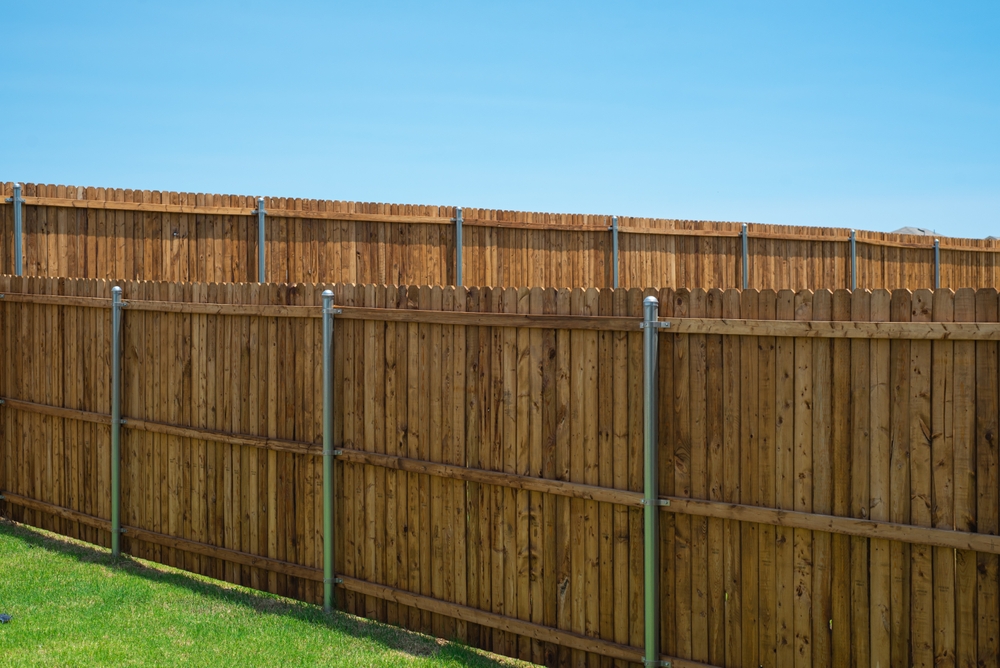
Wood has long been a traditional favorite among homeowners due to its natural charm and flexibility in design. Whether it’s a classic white picket fence or a tall privacy barrier, wood provides a warm and inviting look that’s hard to replicate with synthetic materials.
One of the primary benefits of wood fencing is its versatility. It can be painted or stained in almost any color and shaped into various styles, from lattice panels to shadowbox layouts. This makes it easy to match your fence with your home’s architectural style and landscape design.
However, wood does come with drawbacks. It is highly susceptible to rot, warping, insect damage, and weathering, particularly in humid or rainy climates. Regular maintenance is a must. Homeowners should plan on sealing, staining, or painting their wood fence every two to three years to preserve its appearance and integrity.
When considering the cost of residential fencing per foot, wood is generally one of the more affordable options upfront. On average, homeowners can expect to pay between $15 and $30 per linear foot for standard wood fencing, depending on the type of wood used. Cedar and redwood, while more resistant to decay, can drive the price higher than pressure-treated pine.
Vinyl Fencing: Low Maintenance and Long-Lasting
Vinyl fencing has grown in popularity over the past two decades, offering homeowners a sleek, low-maintenance alternative to traditional wood. Known for its resistance to weather, UV rays, and insects, vinyl fencing retains its appearance without the need for painting, staining, or sealing.
One of the most attractive benefits of vinyl fencing is its longevity. Unlike wood, it won’t rot, split, or attract termites. Cleaning is easy with just a hose and mild detergent, making it an ideal choice for those who prefer a maintenance-free solution.
On the downside, vinyl fencing can be more expensive to install initially. The material itself costs more, and installation often requires specialized tools or professional help. Some homeowners also find that vinyl lacks the natural appeal of wood, and color options are usually limited to whites, beiges, and grays.
In terms of pricing, vinyl fencing typically ranges from $25 to $40 per linear foot installed. Although the upfront investment is higher, the long-term savings on maintenance and replacements can offset this cost over time. For those comparing wood vs vinyl vs metal fencing, vinyl offers the best balance between appearance and ease of ownership for many suburban homes.
Metal Fencing: Security, Style, and Strength
Metal fencing is commonly associated with strength, visibility, and security, making it an excellent choice for homeowners who want to safeguard their property while maintaining an open, structured look. One of the most widely used types of metal fencing in residential settings is chain link, known for its durability, affordability, and practicality.
Chain link fencing is particularly effective for enclosing large yards, securing pets, or creating safe play areas. Its open-weave design offers visibility, which can be beneficial for monitoring activity while still marking property boundaries. This makes it ideal for families, pet owners, and homeowners who prioritize function over decorative style.
While chain link may not offer the ornamental appeal of wrought iron or the decorative finishes of aluminum, it does excel in reliability and low maintenance. Galvanized or vinyl-coated chain link resists rust and corrosion, making it suitable for various climates and long-term outdoor use.
The cost of chain link fencing typically ranges from $25 to $45 per linear foot, depending on the height, gauge of the wire, coating, and site-specific factors such as terrain and access. Installation difficulty can also influence pricing. Despite being one of the more budget-friendly options, many homeowners view chain link fencing as a smart, long-term investment thanks to its strength, minimal upkeep, and longevity.
Factors Affecting Cost and Installation
When evaluating the cost of residential fencing per foot, it’s important to look beyond just the material. Installation expenses, local labor rates, permit fees, and site preparation all factor into the final price. Sloped or rocky terrain can increase labor costs, and certain cities require specific fencing heights or styles, especially if the fence is near a sidewalk or street.
DIY installation is an option for handy homeowners looking to cut down costs, especially with wood or vinyl fencing kits that come pre-measured and ready to assemble. However, metal fencing and more complex layouts may be better left to professionals to ensure structural integrity and compliance with local codes.
Homeowners should also factor in long-term costs such as maintenance, repairs, and replacements. A fence that requires frequent staining or has a shorter lifespan might end up costing more over time than a pricier alternative that lasts decades with minimal upkeep.
Ultimately, the best fence material for backyard use will depend on your specific needs, budget, and aesthetic goals. Each material brings unique advantages and trade-offs, so consider what matters most, whether it’s upfront affordability, low maintenance, or premium durability.
Conclusion
Selecting the right fencing material for your backyard involves more than just price; it’s about balancing function, appearance, maintenance, and longevity. When comparing wood vs vinyl vs metal fencing, each option has distinct pros and cons that cater to different homeowner priorities. Wood offers a classic, customizable look at a lower upfront cost but demands ongoing care. Vinyl brings durability and ease with minimal upkeep but comes with a higher initial investment. Metal delivers strength and timeless appeal, especially for those who value security, though it can be the most expensive to install.
For those exploring sustainable or low-maintenance solutions, composite fencing offers a compelling alternative, albeit at a higher price point. As you assess the best fence material for backyard improvements, it’s wise to factor in not only the initial cost of residential fencing per foot but also the long-term value and functionality of your investment.
Whether you’re enhancing privacy, securing your yard, or adding visual appeal to your home, choosing the right fence material will ensure your outdoor space is both beautiful and functional for years to come.
Need Fencing Near You?
Let our family put over 31 years of experience to work for you, whether you need reliable residential fencing, durable commercial solutions, or expert guidance to bring your vision to life. We proudly serve Kitsap County, WA, offer military and senior discounts, and maintain an A+ rating with the BBB because we truly care about delivering quality you can trust. Contact us now to schedule your free estimate and consultation; we’re here to build the fence you need with the service you deserve!